
Use this template
Add your own experience and make this layout yours.
Resume Example
This resume format is designed to work well with Applicant Tracking Systems (ATS) by including relevant keywords such as 'sustainable design specialist', 'LEED certification', and 'green building technologies'. It also ensures that essential information like professional titles, certifications, and key accomplishments are prominently featured. The use of bullet points for achievements helps in catching the eye of hiring managers quickly while adhering to ATS guidelines.
Instant Resume Score
Upload your resume for an instant ATS score and practical, role-specific improvements.
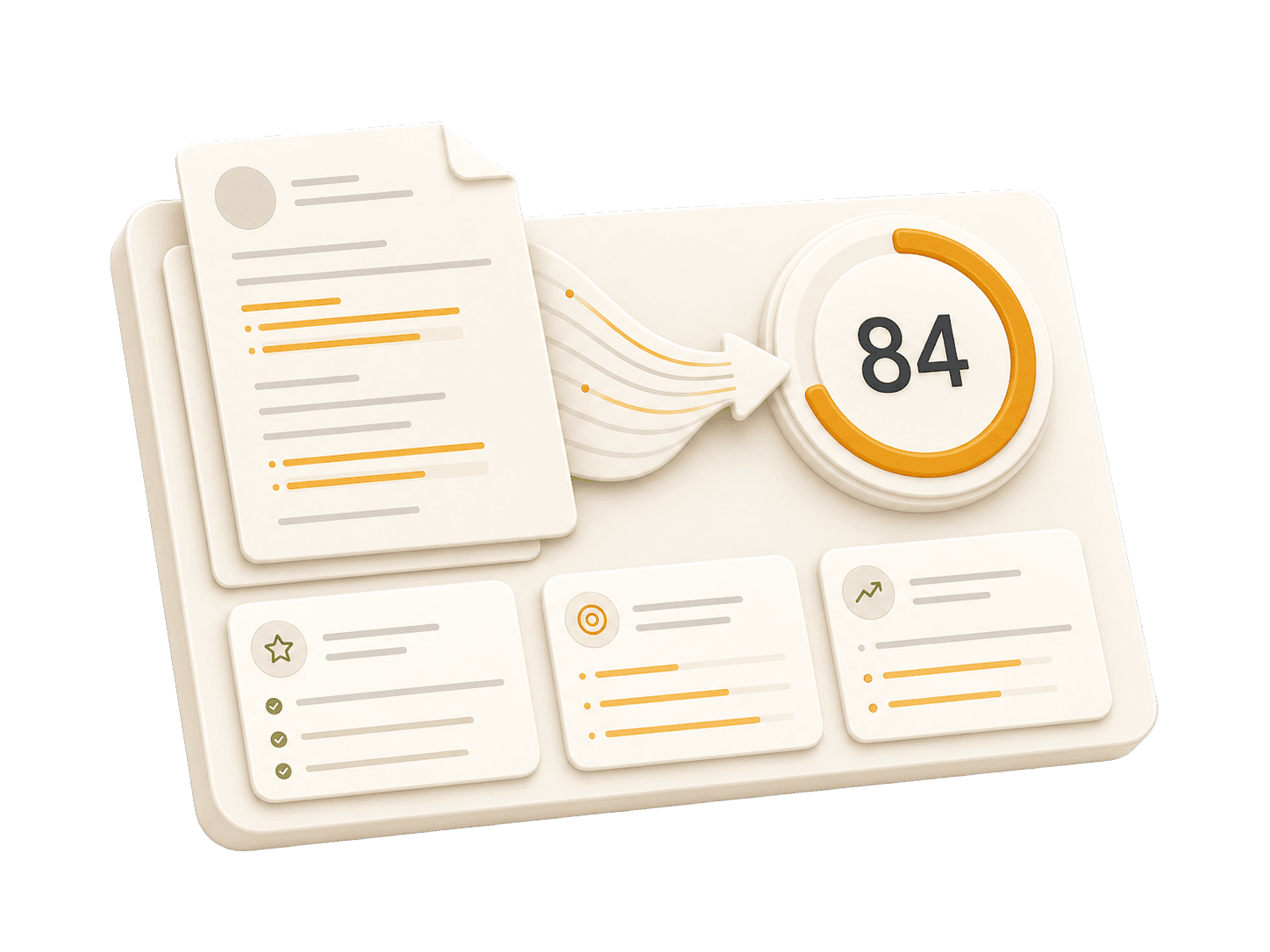
Add your resume to run a free score and get prioritized fixes.
Expert guidelines and best practices for each section of your resume.
01
First Name Last Name City, State Phone Number | Email Address LinkedIn URL | Portfolio URL
Keep contact details easy to scan and professional. Architects are often evaluated on both documentation and presentation, so use a clean email address and include a portfolio link when you have project work to show.
Skip your full street address, personal details, and broken portfolio links. Do not bury your portfolio behind several social profiles, and do not use casual email handles that weaken a professional application.
Use a simple header that makes it easy to reach you and review your work.
Jordan Lee 1459 Franklin Street, Apt 7 San Francisco, CA 94109 [email protected] instagram.com/jordan
Jordan Lee San Francisco, CA (555) 123-4567 | [email protected] linkedin.com/in/jordanlee | jordanleedesign.com
Morgan Chen Phone available on request Portfolio link coming soon
Morgan Chen Seattle, WA (555) 987-1234 | [email protected] linkedin.com/in/morganchen | behance.net/morganchen
02
Architect
Architect with [X]+ years of experience in [project types or sectors]. Skilled in [design, delivery, and technical strengths]. Known for [repeatable impact or area of specialization].
Your summary should help a hiring manager quickly understand what you design, how senior you are, and where you add value. Mention project types, technical strengths, and one or two focus areas that match the target role.
Avoid vague claims like "creative professional seeking growth opportunities". Skip first-person language and unsupported superlatives. If you mention sustainability, healthcare, multifamily, or another specialty, back it up in the experience section.
Compare a weak opening with a summary that sounds grounded and role-specific.
Creative architect looking for a challenging role where I can use my passion for design and learn new things.
Architect with 7 years of experience delivering mixed-use and civic projects. Strong in BIM coordination, consultant management, and permit documentation, with a focus on sustainable building systems and practical design execution.
03
Design & Documentation
Project Delivery
Group skills the way architecture teams think about them: design software, documentation, delivery, and specialized knowledge. Prioritize tools and methods you can discuss confidently in an interview or portfolio review.
Do not pad the section with generic soft skills or tools you rarely use. Avoid self-ratings like "Revit 95%" and outdated software unless it is still requested in your target market.
Good architecture skills sections are specific, current, and easy to scan.
Design, teamwork, communication, software, project work
BIM coordination in Autodesk Revit, consultant drawing review, permit set production, LEED documentation, and daylighting analysis.
Knows architecture programs and can help with projects
Autodesk Revit, AutoCAD, Rhino, Adobe Creative Suite, LEED coordination, zoning research, and consultant coordination.
04
Job Title | Company Name | Location Month Year - Month Year
Experience bullets should show what kinds of projects you touched, how you contributed, and where you handled coordination, technical decisions, or client-facing work. Strong architecture resumes balance design language with delivery credibility.
Avoid listing only responsibilities such as "prepared drawings" or "worked on design development". Remove filler words, repeated verbs, and unsupported metrics. If a result is hard to quantify, explain the design, approval, or coordination impact instead.
Turn broad responsibility statements into concrete project contributions.
Responsible for sustainable design work across several projects.
Coordinated sustainable design decisions across three mixed-use projects, aligning envelope, mechanical, and material choices with LEED credit goals.
Show how your work affected schedule, approvals, or project performance.
Helped with consultant meetings and permit submissions.
Managed consultant review cycles and assembled permit responses that kept the project moving through city review milestones.
05
Degree | University | Location Month Year - Month Year
For architecture roles, education can matter longer than in some other fields, especially when studio work, licensure progress, or sustainability coursework is relevant. Keep it concise but specific.
Do not overload the section with every course you completed. Skip high school once you have a degree, and do not include GPA unless it is genuinely helpful.
A focused education entry gives useful context without taking over the page.
Master of Architecture | University Name
Master of Architecture | University Name | City, State September 2015 - May 2017
06
Project Name | Tools or focus
Use projects to show work that strengthens your candidacy, especially if the experience section does not fully cover your portfolio range. Good project entries explain decisions, constraints, and why the work mattered.
Do not paste portfolio captions without context. Avoid generic lines that only list materials or software. Leave out unfinished concepts unless they clearly demonstrate relevant skills.
Project descriptions should explain what you designed and why it was useful.
Created an architecture concept with sustainability features.
Developed a retrofit concept for a single-family home that improved daylight access, water efficiency, and solar readiness while supporting a practical permit path.
Common questions about this role and how to best present it on your resume.
Focus on project types, design and documentation tools, consultant coordination, permitting, and the outcomes you helped deliver. Recruiters should quickly see your sector experience and technical depth.
Mention the building systems, documentation, and project decisions you handled, such as LEED coordination, envelope strategies, daylighting studies, electrification planning, or water-saving design work.
Use strong studio, internship, freelance, or concept project entries that explain the brief, your role, the tools you used, and the design constraints you solved for.
Most early- to mid-career architects should aim for one page. Add a second page only when you have enough relevant project and leadership detail to justify it.
Transform your resume into an interview magnet with AI-powered optimization trusted by job seekers worldwide.
Job seekers using professional, AI-enhanced resumes land roles in an average of 5 weeks compared to the standard 10. Stop waiting and start interviewing.